How to avoid getting cataracts?
Cataracts are a leading cause of vision impairment, but the good news is that there are steps you can take to reduce your risk. While age-related cataracts are inevitable for many, lifestyle choices and eye care habits can significantly delay their onset and severity.
At Sharmina Khan’s Eye Clinic, we encourage patients to take proactive steps to protect their vision. Here’s how you can help prevent cataracts and maintain clear eyesight for as long as possible.
1. Protect your eyes from UV rays
Exposure to ultraviolet (UV) light is one of the most common risk factors for cataracts. To protect your eyes:
- Wear UV-blocking sunglasses when outdoors
- Choose a wide-brimmed hat for added protection
- Avoid excessive direct sunlight exposure, especially during peak hours.
2. Maintain a nutrient-rich diet
Certain vitamins and antioxidants help protect the lens from oxidative stress, which contributes to cataract formation. Key nutrients include:
- Vitamin C (found in citrus fruits, peppers, and broccoli)
- Vitamin E (nuts, seeds, and spinach)
- Lutein & Zeaxanthin (leafy greens like kale and spinach)
- Omega-3 fatty acids (fatty fish like salmon)
3. Avoid smoking and excessive alcohol
Smoking doubles the risk of developing cataracts by increasing oxidative stress in the eye. Smokers have a typical brittle type of nuclear cataract. Reducing alcohol consumption can also lower cataract risk, as excessive drinking contributes to eye damage over time.
4. Keep your blood sugar in check
People with diabetes are at higher risk for cataracts. Maintaining stable blood sugar levels through a healthy diet, regular exercise, and proper medical management can help protect your eyes. Diabetics have a particular type of posterior subcapsular cataracts.
5. Reduce eye strain and blue light exposure
Prolonged exposure to blue light from screens may contribute to oxidative stress in the eye. To minimize the risk:
- Use blue light filters on devices
- Follow the 20-20-20 rule (every 20 minutes, look 20 feet away for 20 seconds).
6. Regular eye exams
Early detection is key! Visit an eye specialist regularly to monitor your eye health and detect early signs of cataract development.
7. Stay hydrated and maintain a healthy lifestyle
Dehydration can affect your eye’s natural lubrication, and an overall healthy lifestyle with regular exercise and balanced nutrition contributes to long-term eye health.
Take charge of your vision health
While cataracts may be inevitable for some, these preventive measures can slow their development and protect your vision for years to come. If you're concerned about cataracts, take our free suitability self-test today.
Are you suitable for vision treatments?
They aren’t suitable for everyone.
Find out if you could benefit from this life-changing surgery by taking the quick self-suitability quiz below:
Our most popular procedures
What our patients say…
★ ★ ★ ★ ★
“Had cataract surgery on both eyes simultaneously last week and, 7 days later, the vision is brilliant. I can see to read as well, including small print smaller than I expected! I can see car number plates at the end of the road. Everything was excellent, and I could not have wished for anything better.”
 Verified patient on Doctify
★ ★ ★ ★ ★
“My cataract surgery was a great experience. My vision is now brighter; overall, I felt informed and secure throughout, and I am glad I did it and definitely recommend Sharmina Khan. Everyone at the hospital was great, very professional, friendly, and treated me very nicely. During the surgery, I didn’t feel any pain at any time. The recovery was very easy and smooth.”
 Verified patient on Doctify
★ ★ ★ ★ ★
“I was very nervous about having cataract surgery, as I have other medical conditions in both eyes. Ms. Khan allayed all of my fears and explained everything in detail to me. Now that both surgeries are completed, I couldn’t be more pleased with the results. I’m seeing things I’ve not been able to see properly in years. Amazing!”
 Verified patient on Doctify
★ ★ ★ ★ ★
“Ms. Sharmina Khan is an outstanding eye consultant. She took the time to listen attentively to my concerns and provided thoughtful, easy-to-understand explanations. Her depth of knowledge and ability to address my questions left me thoroughly satisfied with her services. I highly recommend Ms. Sharmina Khan to anyone seeking expert eye care and guidance.”
 Verified patient on Doctify
★ ★ ★ ★ ★
“I had cataract surgery in both eyes. The procedure was painless, easy to understand, and swift. My anxiety levels were very low, and recovery was quick and easy. I was just so relaxed. My vision was like being Wonder Woman. It was so clear, and it was like someone had cleaned a window. Now, my vision is fine for reading, computer use, and using a sewing machine.”
 Verified patient on Doctify
★ ★ ★ ★ ★
“Extremely happy with vision following cataract surgery. I wish I had it done sooner. The colors I am experiencing, I didn’t know existed. The experience was really good; it wasn’t much painful. I really enjoyed the sandwiches afterward. When I got home, I saw every little mark on the walls and now am cleaning up!”
 Verified patient on Doctify
★ ★ ★ ★ ★
“6/5. Incredibly impressed with Miss Khan’s bedside manner and operation and consultation. I have had the Synergy toric lens and have experienced a dramatic increase in distance vision. Now, I am able to read stuff on the television perfectly, and reading small print, I can now read the back of a tin of beans!”
 Verified patient on Doctify
★ ★ ★ ★ ★
“Miss Khan was very professional, and both my eyes had trifocal intra-ocular lens implants (toric in the left). The risks and benefits were explained to my satisfaction, and I was very nervous. However, the procedure and the recovery were painless. I now have perfect unaided vision in both eyes and would recommend Miss Khan, 10 out of 10.”
 Verified patient on Doctify
★ ★ ★ ★ ★
“I’m so pleased I sought Sharmina Khan’s help. My dry eye problem was debilitating. I turned up to my appointment in a very worried state and left reassured. My eyes are now vastly better. I feel in good hands. Thank you!”
 Verified patient on Doctify
★ ★ ★ ★ ★
“I have had Lipiflow a few times now, and I couldn’t do without it because it really gets rid of my gritty and sore eyes for months at a time. Lipiflow has helped me go back to doing normal things without getting frustrated, like driving, tolerating air conditioning, generally tolerating different humidity levels, and not feeling like I need to use eye drops all the time. I would highly recommend it.”
 Verified patient on Doctify
We have replaced the images of real patients who provided these testimonials to protect their privacy.


Sharmina Khan
MBBS MSc FHEA FRCOphth
DipCRS CertLRS,
Consultant Eye Surgeon
Hi, I’m Sharmina Khan
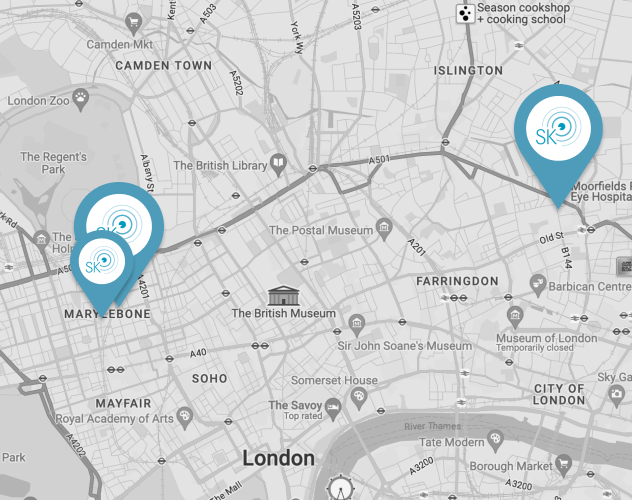
I am based in Marylebone, London as a specialist Consultant Cataract & Lens surgeon where I can help you be rid of glasses. In our premium Dry Eye clinic we deliver top of the range office based treatments such as Optlight IPL, Lipiflow (and more) to help you silent sufferers with dry eye and blepharitis associated with rosacea, menopause, prolonged screen time due work and play!
I started out as a Senior House Officer at Moorfields Eye Hospital, London in 2002 and then worked may way to where we are now. As a result I have carried out over 7000+ cataract/lens procedures across both my private and NHS practices at the world renowned Moorfields Eye NHS & Private Hospitals. I am proud that our efforts mean the profits from Moorfields Private are invested back into Moorfields research and Moorfields NHS!
We have options so that you can achieve your dreams of better vision and more, according to your lifestyle needs.