How soon can you travel after cataract surgery?
After undergoing cataract surgery, one of the most common questions patients have is about when they can resume travelling. Whether it’s a short domestic trip or an extended overseas holiday, understanding the appropriate timeframe and necessary precautions is key to planning your post-surgery travel safely. Here's what you need to know about hitting the road (or the skies) after your procedure.
Immediate Aftercare
Cataract surgery is generally performed on an outpatient basis, and you’re likely to be discharged on the same day. While the procedure itself is quick and complications are rare, the first 24 to 48 hours after surgery are crucial for recovery. During this period, it is essential to rest and avoid strenuous activities. As tempting as it might be to jump back into your travel plans, giving your eyes the time to heal initially is crucial.
The First Week
In the first week post-surgery, your vision may fluctuate and it’s common to experience mild discomfort or irritation as your eye heals. This is a critical time for your eyes to recover and stabilise. Therefore, it’s advised to avoid travelling during this period. You should attend the follow-up appointment scheduled by your surgeon to ensure your eye is healing properly and there are no post-operative complications.
When Can You Start Travelling?
Typically, patients are advised to wait for at least one to two weeks before taking short flights or embarking on road trips. This time-frame allows your eye sufficient time to heal and reduces the risk of encountering significant issues while away from home.
For longer flights, particularly those that are several hours long, it is wise to wait a bit longer, potentially up to a month. The reduced air quality and pressure changes in an aeroplane cabin can affect the healing eye, especially at high altitudes.
Considerations for International Travel
If you're planning to travel internationally, it’s even more important to wait until you’re well beyond the initial recovery period. International travel often comes with challenges such as long hours of flight, changes in climate, and exposure to new allergens, all of which can potentially irritate your recovering eye. Ensure you have a medical go-ahead from your Ophthalmologist, and always have access to adequate medical care at your destination in case of unexpected issues.
Tips for Safe Travel After Cataract Surgery
- Wait for Your Doctor’s Approval: Always get a nod from your eye doctor before you book your trip.
- Carry Your Medication: Ensure you have enough prescribed medication, such as eye drops, to last throughout your trip.
- Wear Sunglasses: Protect your eyes from UV rays with high-quality sunglasses.
- Avoid Swimming: For at least the first month, avoid swimming to prevent exposure to bacteria and chemicals that could harm your healing eye.
- Rest Your Eyes: Especially during flights or long car journeys, take the time to rest your eyes to avoid strain.
The Importance of Follow-Up Care
Even when you start feeling better and your vision seems to have improved, attending all follow-up appointments with your doctor is essential. These check-ups help catch any delayed complications early and ensure that your recovery continues to go smoothly.
If you're travelling for an extended period, arrange for follow-up care at your destination or schedule an appointment immediately upon your return.
Long-Term Travel Considerations
Once fully recovered, most people can return to their normal travel routines without restrictions. However, always consider how your travel plans might impact your eye health, particularly if you’ve had complications or require ongoing treatment.
Why Wait?
Waiting the recommended time before travelling after cataract surgery not only ensures that your eye heals properly but also reduces the risk of complications while you are away from home. It’s crucial to balance your eagerness to return to normal activities with the need for a full and safe recovery.
Thinking about travelling after cataract surgery? Don’t make any decisions without expert advice. Book a free video assessment with Sharmina Khan today to get personalised guidance based on your specific recovery status. Our experts are here to help you plan your post-surgery travels safely and confidently.
Are you suitable for vision treatments?
They aren’t suitable for everyone.
Find out if you could benefit from this life-changing surgery by taking the quick self-suitability quiz below:
Our most popular procedures
What our patients say…
★ ★ ★ ★ ★
“Had cataract surgery on both eyes simultaneously last week and, 7 days later, the vision is brilliant. I can see to read as well, including small print smaller than I expected! I can see car number plates at the end of the road. Everything was excellent, and I could not have wished for anything better.”
 Verified patient on Doctify
★ ★ ★ ★ ★
“My cataract surgery was a great experience. My vision is now brighter; overall, I felt informed and secure throughout, and I am glad I did it and definitely recommend Sharmina Khan. Everyone at the hospital was great, very professional, friendly, and treated me very nicely. During the surgery, I didn’t feel any pain at any time. The recovery was very easy and smooth.”
 Verified patient on Doctify
★ ★ ★ ★ ★
“I was very nervous about having cataract surgery, as I have other medical conditions in both eyes. Ms. Khan allayed all of my fears and explained everything in detail to me. Now that both surgeries are completed, I couldn’t be more pleased with the results. I’m seeing things I’ve not been able to see properly in years. Amazing!”
 Verified patient on Doctify
★ ★ ★ ★ ★
“Ms. Sharmina Khan is an outstanding eye consultant. She took the time to listen attentively to my concerns and provided thoughtful, easy-to-understand explanations. Her depth of knowledge and ability to address my questions left me thoroughly satisfied with her services. I highly recommend Ms. Sharmina Khan to anyone seeking expert eye care and guidance.”
 Verified patient on Doctify
★ ★ ★ ★ ★
“I had cataract surgery in both eyes. The procedure was painless, easy to understand, and swift. My anxiety levels were very low, and recovery was quick and easy. I was just so relaxed. My vision was like being Wonder Woman. It was so clear, and it was like someone had cleaned a window. Now, my vision is fine for reading, computer use, and using a sewing machine.”
 Verified patient on Doctify
★ ★ ★ ★ ★
“Extremely happy with vision following cataract surgery. I wish I had it done sooner. The colors I am experiencing, I didn’t know existed. The experience was really good; it wasn’t much painful. I really enjoyed the sandwiches afterward. When I got home, I saw every little mark on the walls and now am cleaning up!”
 Verified patient on Doctify
★ ★ ★ ★ ★
“6/5. Incredibly impressed with Miss Khan’s bedside manner and operation and consultation. I have had the Synergy toric lens and have experienced a dramatic increase in distance vision. Now, I am able to read stuff on the television perfectly, and reading small print, I can now read the back of a tin of beans!”
 Verified patient on Doctify
★ ★ ★ ★ ★
“Miss Khan was very professional, and both my eyes had trifocal intra-ocular lens implants (toric in the left). The risks and benefits were explained to my satisfaction, and I was very nervous. However, the procedure and the recovery were painless. I now have perfect unaided vision in both eyes and would recommend Miss Khan, 10 out of 10.”
 Verified patient on Doctify
★ ★ ★ ★ ★
“I’m so pleased I sought Sharmina Khan’s help. My dry eye problem was debilitating. I turned up to my appointment in a very worried state and left reassured. My eyes are now vastly better. I feel in good hands. Thank you!”
 Verified patient on Doctify
★ ★ ★ ★ ★
“I have had Lipiflow a few times now, and I couldn’t do without it because it really gets rid of my gritty and sore eyes for months at a time. Lipiflow has helped me go back to doing normal things without getting frustrated, like driving, tolerating air conditioning, generally tolerating different humidity levels, and not feeling like I need to use eye drops all the time. I would highly recommend it.”
 Verified patient on Doctify
We have replaced the images of real patients who provided these testimonials to protect their privacy.


Sharmina Khan
MBBS MSc FHEA FRCOphth
DipCRS CertLRS,
Consultant Eye Surgeon
Hi, I’m Sharmina Khan
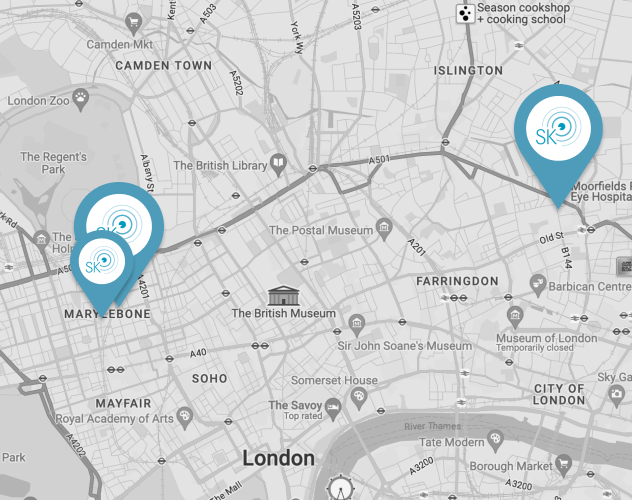
I am based in Marylebone, London as a specialist Consultant Cataract & Lens surgeon where I can help you be rid of glasses. In our premium Dry Eye clinic we deliver top of the range office based treatments such as Optlight IPL, Lipiflow (and more) to help you silent sufferers with dry eye and blepharitis associated with rosacea, menopause, prolonged screen time due work and play!
I started out as a Senior House Officer at Moorfields Eye Hospital, London in 2002 and then worked may way to where we are now. As a result I have carried out over 7000+ cataract/lens procedures across both my private and NHS practices at the world renowned Moorfields Eye NHS & Private Hospitals. I am proud that our efforts mean the profits from Moorfields Private are invested back into Moorfields research and Moorfields NHS!
We have options so that you can achieve your dreams of better vision and more, according to your lifestyle needs.