Can cataracts go away on their own?
Cataracts are a common eye condition, particularly among older adults. They occur when the lens of the eye becomes cloudy, leading to blurry vision and, if left untreated, eventual blindness. One question often asked by those affected is, “Can cataracts go away on their own?” In this blog post, we’ll explore the nature of cataracts, whether they can resolve without intervention, and the benefits of cataract surgery.
Understanding Cataracts
A cataract is the clouding of the eye’s natural crystalline lens, which lies behind the iris and the pupil. This condition is primarily a result of ageing, as a result of the oxidative changes of the collagen fibres in the lens, forming cloudy areas. Cataracts can also develop due to other factors such as diabetes, eye injuries, prolonged use of certain medications, and previous retinal surgery.
Can Cataracts Go Away on Their Own?
The short answer is no. Cataracts cannot go away on their own. Unlike some medical conditions that can resolve naturally or with minimal intervention, cataracts tend to progress over time. The clouding of the lens will continue to worsen, leading to increasing visual impairment. Without treatment, cataracts will not improve and can eventually cause significant vision loss.
Why Cataracts Require Treatment
Cataracts are essentially a clouding of the collagen fibres within the clear crystalline lens. As a result, the only effective treatment is to remove the cloudy lens and replace it with a clear artificial lens implant through surgery. Privately there are various intraocular lens options to improve your near, intermediate and distance vision.
Symptoms of Cataracts
Recognising the symptoms of cataracts is crucial for early diagnosis and treatment. Common symptoms include:
- Blurred or cloudy vision
- Difficulty seeing at night
- Sensitivity to light and glare
- Seeing “halos” around lights
- Faded or yellowed colours like in Monet’s Waterlilies paintings before and after his cataract surgery. These are on display at the Tate Modern- fascinatingly accurate!
- Double vision in one eye
- Frequent changes in prescription glasses or contact lenses resulting in increased costs
If you experience any of these symptoms, it’s essential to consult an eye care professional for a thorough examination.
The Benefits of Cataract Surgery
Cataract surgery is a highly effective procedure with a very high success rate. Here are some of the benefits:
Restored Vision
- Surgery removes the cloudy lens, allowing light to pass through clearly, resulting in improved vision.
- Colours appear more vibrant and bright, enhancing visual experience.
Enhanced Quality of Life
- Clearer vision allows for easier navigation and independence in daily activities.
Reduced Reliance on Glasses
- Many patients find they need glasses less frequently, particularly if they opt for premium lenses that correct for near, intermediate and far distance vision.
Quick Recovery
- Most patients experience significant improvement in their vision the next day and within a few days, with full recovery typically within a few weeks.
Living Your Best Life After Cataract Surgery
Post-surgery, you can enjoy a significantly improved quality of life. Here’s how:
- Follow Post-Operative Care: Adhere to your surgeon’s instructions and use prescribed eye drops to promote healing.
- Regular Eye Check-Ups: Schedule regular eye exams to maintain eye health and monitor any changes in vision.
- Healthy Lifestyle: Eat a balanced diet rich in antioxidants, avoid smoking, and protect your eyes from UV radiation using dark sunglasses and a wide-brimmed hat.
- Stay Active: Take it easy in the first week after surgery and thereafter engage in regular physical activity to boost overall health and well-being.
- Avoid Strain: Give your eyes ample rest, especially in the initial recovery phase.
If you are experiencing symptoms of cataracts or are concerned about your eye health, taking a suitability self-test is a great first step. This self-assessment can help determine if you might benefit from cataract surgery and guide you on the next steps towards clearer vision.
In conclusion, cataracts do not go away on their own and will progressively worsen if left untreated. The good news is that cataract surgery is a safe and effective solution that can restore your vision and greatly enhance your quality of life.
We no longer wait for a cataract to become “ripe” and by recognising the symptoms early and opting for timely treatment, you can avoid the severe visual impairment that cataracts can cause. Take charge of your eye health today by taking a suitability self-test to see if cataract surgery is right for you.
Are you suitable for vision treatments?
They aren’t suitable for everyone.
Find out if you could benefit from this life-changing surgery by taking the quick self-suitability quiz below:
Our most popular procedures
What our patients say…
★ ★ ★ ★ ★
“Had cataract surgery on both eyes simultaneously last week and, 7 days later, the vision is brilliant. I can see to read as well, including small print smaller than I expected! I can see car number plates at the end of the road. Everything was excellent, and I could not have wished for anything better.”
 Verified patient on Doctify
★ ★ ★ ★ ★
“My cataract surgery was a great experience. My vision is now brighter; overall, I felt informed and secure throughout, and I am glad I did it and definitely recommend Sharmina Khan. Everyone at the hospital was great, very professional, friendly, and treated me very nicely. During the surgery, I didn’t feel any pain at any time. The recovery was very easy and smooth.”
 Verified patient on Doctify
★ ★ ★ ★ ★
“I was very nervous about having cataract surgery, as I have other medical conditions in both eyes. Ms. Khan allayed all of my fears and explained everything in detail to me. Now that both surgeries are completed, I couldn’t be more pleased with the results. I’m seeing things I’ve not been able to see properly in years. Amazing!”
 Verified patient on Doctify
★ ★ ★ ★ ★
“Ms. Sharmina Khan is an outstanding eye consultant. She took the time to listen attentively to my concerns and provided thoughtful, easy-to-understand explanations. Her depth of knowledge and ability to address my questions left me thoroughly satisfied with her services. I highly recommend Ms. Sharmina Khan to anyone seeking expert eye care and guidance.”
 Verified patient on Doctify
★ ★ ★ ★ ★
“I had cataract surgery in both eyes. The procedure was painless, easy to understand, and swift. My anxiety levels were very low, and recovery was quick and easy. I was just so relaxed. My vision was like being Wonder Woman. It was so clear, and it was like someone had cleaned a window. Now, my vision is fine for reading, computer use, and using a sewing machine.”
 Verified patient on Doctify
★ ★ ★ ★ ★
“Extremely happy with vision following cataract surgery. I wish I had it done sooner. The colors I am experiencing, I didn’t know existed. The experience was really good; it wasn’t much painful. I really enjoyed the sandwiches afterward. When I got home, I saw every little mark on the walls and now am cleaning up!”
 Verified patient on Doctify
★ ★ ★ ★ ★
“6/5. Incredibly impressed with Miss Khan’s bedside manner and operation and consultation. I have had the Synergy toric lens and have experienced a dramatic increase in distance vision. Now, I am able to read stuff on the television perfectly, and reading small print, I can now read the back of a tin of beans!”
 Verified patient on Doctify
★ ★ ★ ★ ★
“Miss Khan was very professional, and both my eyes had trifocal intra-ocular lens implants (toric in the left). The risks and benefits were explained to my satisfaction, and I was very nervous. However, the procedure and the recovery were painless. I now have perfect unaided vision in both eyes and would recommend Miss Khan, 10 out of 10.”
 Verified patient on Doctify
★ ★ ★ ★ ★
“I’m so pleased I sought Sharmina Khan’s help. My dry eye problem was debilitating. I turned up to my appointment in a very worried state and left reassured. My eyes are now vastly better. I feel in good hands. Thank you!”
 Verified patient on Doctify
★ ★ ★ ★ ★
“I have had Lipiflow a few times now, and I couldn’t do without it because it really gets rid of my gritty and sore eyes for months at a time. Lipiflow has helped me go back to doing normal things without getting frustrated, like driving, tolerating air conditioning, generally tolerating different humidity levels, and not feeling like I need to use eye drops all the time. I would highly recommend it.”
 Verified patient on Doctify
We have replaced the images of real patients who provided these testimonials to protect their privacy.


Sharmina Khan
MBBS MSc FHEA FRCOphth
DipCRS CertLRS,
Consultant Eye Surgeon
Hi, I’m Sharmina Khan
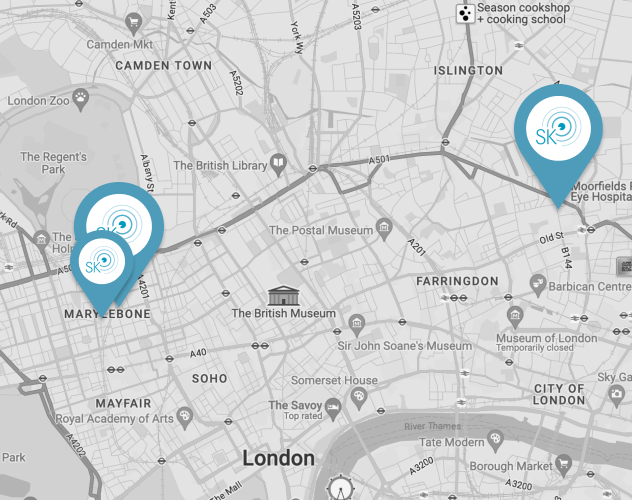
I am based in Marylebone, London as a specialist Consultant Cataract & Lens surgeon where I can help you be rid of glasses. In our premium Dry Eye clinic we deliver top of the range office based treatments such as Optlight IPL, Lipiflow (and more) to help you silent sufferers with dry eye and blepharitis associated with rosacea, menopause, prolonged screen time due work and play!
I started out as a Senior House Officer at Moorfields Eye Hospital, London in 2002 and then worked may way to where we are now. As a result I have carried out over 7000+ cataract/lens procedures across both my private and NHS practices at the world renowned Moorfields Eye NHS & Private Hospitals. I am proud that our efforts mean the profits from Moorfields Private are invested back into Moorfields research and Moorfields NHS!
We have options so that you can achieve your dreams of better vision and more, according to your lifestyle needs.